If you own a fleet of heavy vehicles used for a haulage and logistics company, keeping them operating smoothly should be a priority. And with the UK road freight transport market already exceeding pre-pandemic levels, you need to keep up with your competitors.
Unfortunately, supply chains can’t always expect business as usual. Managers must prepare appropriately for accidents by protecting staff safety and maintaining vehicles.
Why do transport managers need to reduce the risks?
As a business owner, you’ll want to make sure to keep the number of accidents in your fleet as low as possible. Even though supply chains can’t stop other drivers from crashing, they can help to minimise the risks from their own drivers and vehicles.
Reducing these risks is paramount, and supply chains will be aware that previous accidents could’ve been prevented through a combination of training and vehicle maintenance. Additionally, making sure that you obtain relevant transport insurance for your fleet might help during difficult circumstances.
How can the risk of accidents be reduced?
In-depth starter training and ongoing learning across your staff are crucial. This should include timely updates on new regulations, comprehensive assessments of staff understanding and ability, and the relevant training for each type of vehicle.
Keeping drivers up to date with training fosters a positive safety culture. At least one in ten injuries to employees are caused by moving objects, including vehicles – so your staff need to be prudent and risk-aware.
Risk assessments and safety auditing significantly reduce the risk of accidents. These should be carried out for each stage of the process of driving an HGV. Risk assessments highlight any hazards or faults with vehicles and determine their safety for staff and customers.
An effective risk assessment should consider each type of vehicle and the individuals in your workplace. On a physical plan, mark out pedestrian and traffic movements to see where vehicles and staff interact. Look out for possible improvements to reduce the physical contact points.
- Appropriate safety equipment
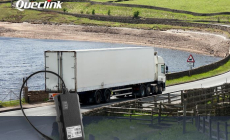
Safety equipment includes vehicle modifications. Internal and external camera systems might help to prevent or reduce accidents by recording the driver – so you can identify if further training is required.
Vehicle stickers can improve awareness of blind spots for other road users. Automatic braking systems can react quickly in the presence of a potential hazard before it’s observed by the driver.
- Vehicle inspection and maintenance
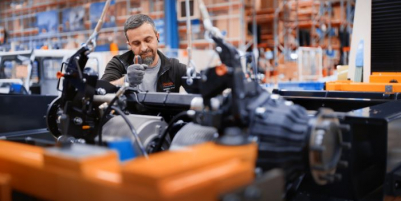
Lastly, daily checks should be carried out before each vehicle starts its journey on the road. This includes the tyre pressure and levels of engine oil, coolant, and screen wash. Any issues should be immediately reported to a duty manager.
If you identify any faults, vehicles should be taken off the roads immediately. Never risk a shift with a hazardous vehicle – as the aftermath of an accident could be more devastating than the loss of profits from one day.