Edward Hutchison, Managing Director of BITO Storage Systems, explains how robots can work with people to positively change the picture of traditional retail warehouse operations.
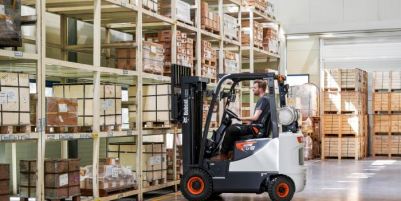
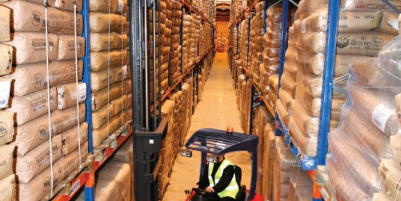
Counterbalanced and warehouse forklift trucks moving goods to and from storage locations in racking and shelving forms a familiar image of work inside a typical retail warehouse. But with drivers being a growing cost factor, some foresee this picture changing in the future. Many operations will of course continue to rely on forklifts, but automation is coming to the fore and, according to market intelligence company Interact Analysis, the UK is set to become Europe’s largest warehouse automation opportunity.
Driverless Internal transport systems are one such interesting opportunity because they are extending their role beyond merely transporting goods by gaining an ability to interact with racking and shelving, without the need for human intervention.
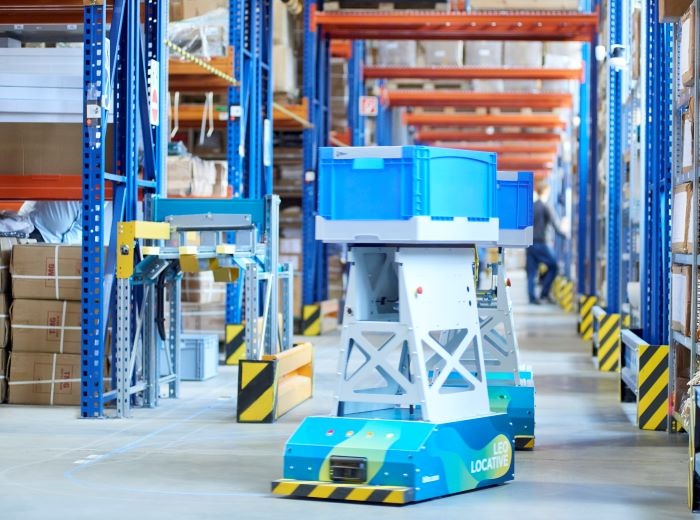
Take BITO’s LEO flow, for example. This low cost, simple plug and play AGV (Automated Guided Vehicle) is equipped with a belt conveyor top and an automatic lifting mechanism, making it ideal for picking up and delivering goods to and from conveyor systems. Without the need for expensive software or infrastructure, it can carry a 600 x 400 mm load of either bins or small parts, which it can pick up and discharge sideways to the direction of travel using the belt automatically.
Goods can be fed directly to and from an Automated Storage and Retrieval System or LEO can deliver goods directly to the flow lanes of a Carton Live Storage system. Sensors allow bins to be transferred seamlessly from LEO to back of the flow lane, allowing personnel at the front of the lane to carry out the productive task of picking orders without running out of stock. With a payback period often in one year or less, this collaborative operation between people and robots is a great example of how a new image of work inside an retail warehouse can be created.
For more information, visit bito.com.