New Physiological Monitoring Technology and Privacy Policy Designed to Safeguard Workers’ Rights While Bringing Valuable Insights to Employers
As companies around the world rapidly adopt wearable industrial devices to improve worker safety and business productivity, the protection of personal information being collected is an ongoing concern. Kenzen, the smart personal protective equipment innovator (or industrial internet of things innovator) that recently launched a physiological monitoring system to keep workers safe from heat, overexertion, and illness, has debuted a new privacy policy for its system that is precedent-setting in the data collection industry. The policy details the type of information collected from a worker, how a worker can opt out of the system, how long the data is available, and who owns it. The privacy policy is accessible on the Kenzen website and is easy to understand, to ensure all workers can learn about the system and know their rights when Kenzen is deployed at their worksite.
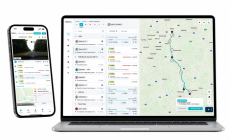
The Kenzen system collects 1.3 million data points per worker per day. The information is used to protect the workers from injury on the job while helping to optimize total worker health. Three distinct views of the data are available at different levels within a company, one for the worker, one for the safety supervisor, and one for corporate EHS. Kenzen’s proprietary algorithms filter data at each level to keep the most private information available only to the worker. When the information indicates a need for an intervention to prevent the worker from overheating, an alert and suggested next steps are sent to the supervisor. At the corporate level, health and safety teams receive anonymized trend information derived from the original data, which they use to make decisions to improve safety at the worksite.