Third party logistics, sleeving and contract packing specialist, Prism eLogistics, is calling on beverage brands to consider the role of recycled plastic in reducing the sector’s carbon footprint and overall packaging volume.
While virgin plastic is rightly being phased out of canned drinks packaging, recent research has highlighted the improved sustainability outcomes of using recycled plastic solutions in place of paperboard cartons and carriers.
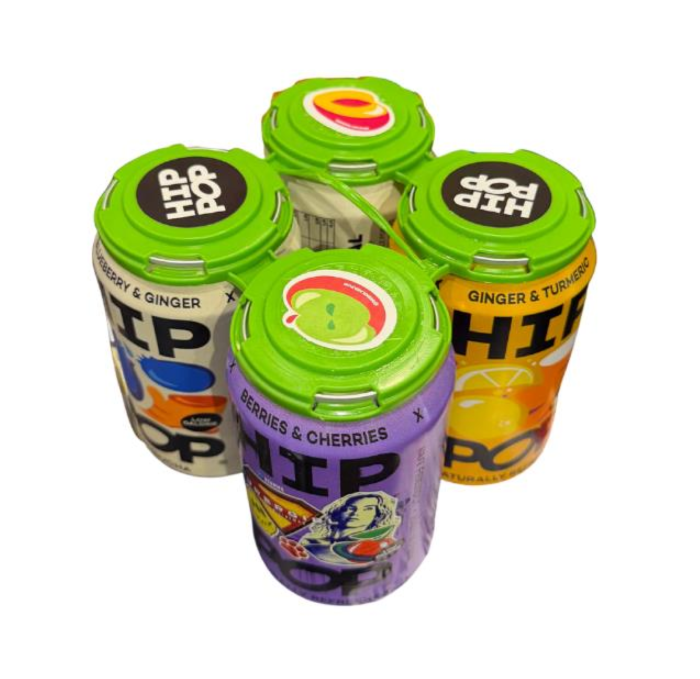
According to a comparative cradle-to-grave Life Cycle Analysis (LCA), 100% recycled rHDPE PakTech multipack handles outperform paperboard options (four and six pack) on climate change metrics including acidification, eutrophication, health impact, smog air and energy demand, delivering ~2–5x lower CO₂ impact compared to paperboard alternatives.
Lightweight and fully recyclable, rHDPE handles represent a significant reduction in packaging volume compared to paperboard multipack options, as well as substantially lower CO₂ and energy demand than fibre-based carton alternatives such as cartons and carriers. As a result, they align fully with the expectations of the Extended Producer Responsibility (EPR) policy and are therefore associated with the lowest tier of EPR fees.
Alongside sustainability benefits, robust multipack handles also offer greater defence against product loss due to packaging failure compared to paperboard alternatives.
Flexibility is another advantage when it comes to mixed can offerings. As multi-flavour packs grow in popularity, especially within the functional drinks category, handles allow for endless can permutations without necessitating additional packaging design and volume.
Ian Wright, managing director at Prism eLogistics commented:
“While plastic has been something of a dirty word in drinks packaging, the abundance of plastic which needs to be recycled and the lower weight and durability offered by rHDPE handles makes them a greener solution than paperboard alternatives for multipack cans.
“We’ve seen growing demand for contract packing solutions which allow for mixed can flexibility, without the need for additional packaging. Multipack handles offer this alongside sustainability benefits, making them ideal for forward-looking beverage providers.”