Inside a warehouse, several tools might be deemed ‘essential’. Getting the best from your investment in tools means using them correctly, but it also means caring for them. Maintenance and storage, in the long term, can make a big difference to your results.
Basic everyday use tools
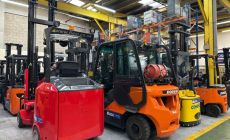
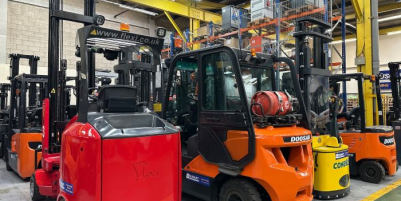
Let’s take a look at the tools with which every warehouse worker should be familiar. Ladders, hand-carts, and jacks all have their place. If you’re suitably qualified, then a forklift might fit into the same category.
When workers are busy, they might find it easy to simply set aside a given tool before moving on to a new task, rather than storing it appropriately. This can present problems, as we’ll see.
Your use of tools should form part of your workplace’s risk assessment strategy. Ideally, you should put in place a digital means of tracking your tools and where they’re being used. This will help you to identify the causes of any problems you experience later on.
Why proper care is needed
It’s worth being specific about the benefits of proper tool care, as well as the drawbacks of an absence of it.
First, tools that are cared for tend to be cleaner, at a minimum. This prevents the accumulation of dust and grime, especially in sensitive moving parts. Tools that are sharpened regularly will also tend to do their jobs more effectively, which not only saves time but produces superior results. Finally, we should note that tools that have been well cared for are less likely to be a cause of accidents. This safety benefit will naturally reduce absenteeism, boost productivity, and improve morale.
Simply having the right storage solution available can often be enough to incentivise storage. A quality Milwaukee tool bag, or a heavy-duty tool belt, can be easily transported to wherever the work is being done. This eliminates the need for back-and-forth trips and wasted effort.
The ‘Do’s and ‘Don’t’s for tool care
Let’s round off with some practical advice. These are guidelines designed to help you get the best from any tool – not just the sort you’ll find in a warehouse.
Inspect the tool before you use it. This will alert you to any obvious defects and might help you to avoid running into trouble.
Store sharp tools separately. If your sharp tools are clattering against one another as you carry them around, then they’ll inevitably dull before you get a chance to use them. Cover the blades. This will also help to prevent accidental cuts.
Don’t leave tools on the edges of shelves, especially if you’re working at height.
Make sure that the handles of any tools are tight-fitting. Any looseness will not only put the job at risk – it’ll also create a significant safety concern.