RIGHTSIZE COMMERICAL EV FLEET INFRASTRUCTURE OR INCREASE TRANSITION COSTS BY UP TO A THIRD WARNS ZEROMISSION
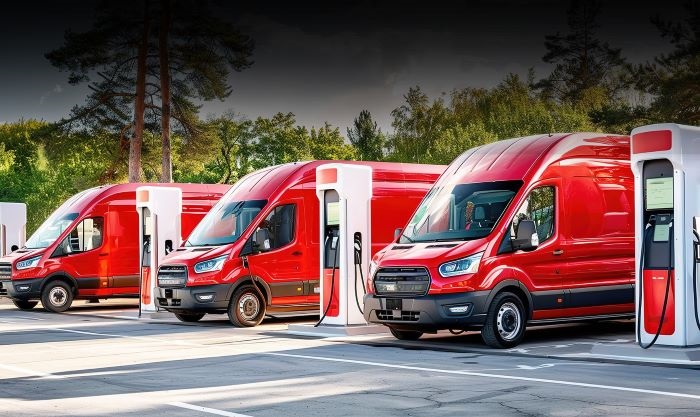
Commercial fleets risk increasing capital expenditure by up to a third when transitioning to zero emission road transport by oversizing their electric vehicle infrastructure. This was the opinion of Kevin Christopher, Head of Product at ZeroMission, speaking at a recent EV webinar, who claimed that concerns around vehicle range and charging availability are pushing organisations to commit to excessive levels of battery and fuelling redundancy.
“For any commercial fleet manager, it is critical that they have the vehicles needed to complete their daily operational requirements, so high reliability and up-time is key,” explains Kevin Christopher. “To mitigate range anxiety, in particular, we are seeing a lot of commercial fleets investing in 20 to 30 per cent more batteries than are needed. This in turn leads to a larger charging infrastructure and additional electrical service, which drives up the cost significantly.”
The EV Webinar – titled The real costs of electric vehicles and how to manage them effectively – discussed many of the pitfalls and common mistakes associated with fleet electrification. The speakers agreed that commercial fleets need to look at the data from their existing vehicle operation to determine what configuration is required. This data-driven approach looks at vehicle spec and battery size alongside service requirements, range sensitivities, and the time available to charge, so any designed solution delivers a cost-effective “just-in-time, rather than just-in-case” programme.
Energy management was highlighted by Kevin Christopher as another major consideration as some costs often get overlooked in the planning stage when calculating total cost of ownership. “Local grid operators can have complicated rate structures, resulting in a significant premium at certain times of the day, so you need a system that eliminates or vastly reduces charging during these periods to minimise expense on the fuelling side. In many cases, fleets are also charged for having dedicated capacity available, on top of paying for the actual consumption of that energy, which means there is a huge financial incentive for rightsizing the charging infrastructure from the start.”
When buying equipment, the webinar suggested that it was crucial for industry standard protocols to be supported. Frameworks such as the Open Charge Point Protocol (OCPP) provide third-party hardware and software with the ability to communicate together in a meaningful, robust and reliable way. This will ensure that a commercial fleet has the right system and processes in place to effectively manage the operation, charging and energy, while understanding where inefficiencies exist to target continuous improvement and support future planning.
“We believe that EVs, if managed correctly, can be the less expensive option for commercial fleet operations. However, the transition will be a major change for any organisation and there are significant risks and challenges to face. It is important to understand your objectives, establish what you don’t know, and then take a data-driven approach to develop an infrastructure that is rightsized and fit for purpose, with the capacity to grow and adapt,” concludes Kevin Christopher.
A recording of the ZeroMission EV Webinar The real costs of electric vehicles and how to manage them effectively can be viewed here;