Warehouse workflows can get complicated. Whether you’re manufacturing and distributing food, pharmaceuticals or other products, there are complex transactions and regulations that must be followed.
There are various factors that can affect each business’s workflow in the warehouse, many of which depend upon specific company and customer requirements. For example, some foods and pharmaceuticals may have to be stored for a certain amount of time before they can be sold to the customer, as regulated by the FDA, while other products may need to be stored in a climate-controlled environment such as a cooler or freezer.
Unlike many other fields of work, warehouse workflows are rarely a straight line. Instead, they are complicated feedback loops that are affected by customer orders, resource availability and current inventory levels. Managing workflows can become cumbersome, time consuming and require a lot additional labor. However, by implementing the right technology to automate, businesses can often optimize many of these warehouse workflows—saving time and streamlining operations.
Warehouse Workflow Automation
Implementing warehouse automation technology doesn’t have to be a significant or expensive change. It is accessible to any size company or warehouse, small or large. By finding ways to automate your warehouse, you often improve order accuracy, increase staff efficiency and prepare for future growth.
Automation technology can also help you save money by packaging and storing products more efficiently. It can manage the environmental restrictions necessary for different products and manage workflows accordingly to compensate. This enables the warehouse staff to plan accordingly and package and store products with similar requirements together, increasing efficiency throughout the warehouse with a more streamlined workflow.
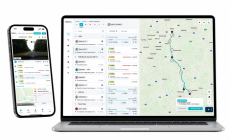
Workflow automation can be supported through a number of platforms, including a warehouse execution system (WES). A WES is comprised of a warehouse management system (WMS) and a warehouse control system (WCS) and helps manufacturers and distributors direct, control and optimize internal material flow and order picking. It automates repetitive tasks, reduces error and assists in planning. Additionally, the WES tracks inventory, from the time it enters the building, up until it is delivered to fulfill an order. If connected to systems upstream and downstream, it can even track inventory from the very beginning of life until it is purchased by the consumer.
WES Integrations
To further automate your workflows, a WES can integrate with your enterprise resource planning, billing systems, ordering systems and other operational applications. It is important to choose a system that easily interfaces with many different types of systems. A common method of doing so focuses on
interfacing at the data layer. Data mapping is a capability that allows a WES to rearrange data into a format that other systems can understand. The more flexible that the WES is in this arena, the more flexibility you will have when communicating with various applications, and the more streamlined your workflows can become.
While a WES may contain functions and capabilities beyond your current warehouse needs, these features can be enabled as needed as your business expands, thus helping you to grow smoothly and quickly.
Warehouse automation technology supports and streamlines workflows, saving time and money. As you grow your business and streamline your current distribution activities, investing and implementing a WES is a crucial link in helping you to succeed.