It would be easy to conclude that the logistics industry is a misogynistic no-go area for women, but this would be wrong, says Nicky Jones, founder of Vidu Recruitment
The debate around the lack of gender diversity within the UK logistics industry has rumbled on for as long as most people can remember.
Various schemes and initiatives designed to attract more women to the sector have come and gone yet the industry remains stubbornly male dominated at all levels.
It is estimated that less than 20 per cent of the 2.3 million people currently employed in transport and logistics in the UK are women. Compared to other industries such as retail and technology where women fill a high proportion of key roles, this is a depressing statistic.
It would be easy and, perhaps, understandable to conclude that the logistics industry is a misogynistic no-go area for women, but this would be wrong.
In my experience, the industry is working hard to attract the top talent and gender is no barrier to those seeking to enter the sector or, indeed, progress within it.
Of course, having provided recruitment services to the supply chain business for over 15 years, I have encountered individuals to whom sexism, racism, ageism – and all manner of other ‘isms’ – are ingrained character traits, but, thankfully, such people are few and far between and the overwhelming majority of logistics industry employers relish diversity.
So why is it that so few women opt for a career in logistics? Some believe the perception that most roles primarily involve some form of moving and lifting is to blame. This may be valid, but it is important to remember that, in addition to drivers and warehouse operatives, the logistics industry has a requirement for business development and customer-facing personnel with expertise in the industries in which customers operate and women often thrive in such positions.
Those involved the sector argue that current perceptions of the logistics industry aren’t accurate, but it seems that if it is to attract the right talent and overcome its gender issues, employers in the industry must do a better job of promoting the scope of the opportunities they have available.
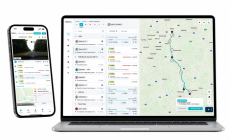
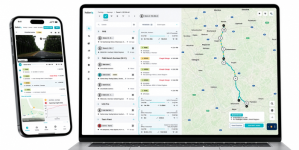
Vidu is a new recruit platform that makes this possible. Vidu offers a modern digital approach to recruiting staff in the logistics sector by using video and social media to enable employers to share more about their company and the role they are seeking to fill.
By giving employers a platform to showcase their organisation and explain more about their business environment, Vidu provides an ideal platform for logistics companies to dispel any misgivings prospective employees may have about the industry.
Today, logistics impacts upon every aspect of our lives and the UK logistics industry is evolving to meet the demands of a rapidly changing industrial and business landscape. But, there can be no denying that the industry’s future prospects will be greatly enhanced if it is successful in its efforts to attract a more diverse workforce and it will do this by inspiring and encouraging women into its ranks in ever greater numbers.