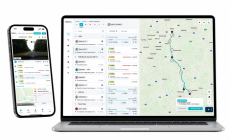
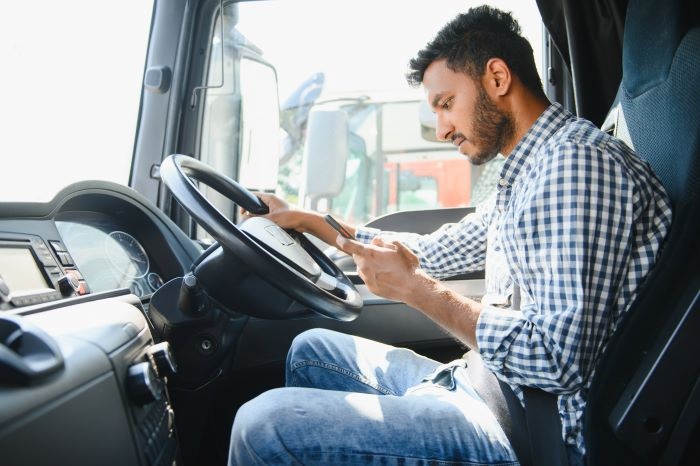
Blackout Technologies has launched an updated version of its unique mobile device blocking technology that can be combined with leading fleet and video telematics systems to help eliminate smartphone distraction. This integrated approach is predicted to reduce collisions caused by illegal mobile phone usage by between 10 to 20%, preventing many avoidable injuries and deaths.
“There is huge potential for SaaS-based mobile blocking technology combined with complementary fleet technology and vehicle camera solutions to provide added choice and safety features within the marketplace,” explains Mark Hadley, CEO of Blackout Technologies. “The use of messaging apps, social media platforms, streaming and Internet browsing when driving is believed to contribute to as many as 40% of all vehicle collisions, so the risk to drivers and other road users is considerable and needs to be addressed.”
Blackout Technologies’ unique blocking solution uses an app installed on a driver’s smartphone that previously connected to a Bluetooth beacon within the vehicle. It can now be enabled via a telematics unit or dashcam, removing the need for additional hardware or installation costs, while delivering added road safety, driver welfare, risk reduction and insurance benefits.
The app activates when the vehicle is in motion, restricting encrypted messaging tools, the Internet, camera and other popular apps, while preventing incoming notifications for the duration of the journey. It also includes a two-minute delay to prevent drivers using their smartphone when in stationary traffic. When a suspected collision has occurred, the technology will send a push notification to the driver within seconds to verify the incident and check on their welfare along with an alert to the fleet manager.
“Traditional telematics can monitor high-risk driver behaviour and the latest AI detection cameras can even identify illegal mobile device usage, but none of this technology can address the issue at source. Only with integrated blocking functionality can an organisation remove much of the temptation in the first place, while still having the tools in place to support driver engagement and target fleet risk reduction,” adds Hadley.